Management options
What are the objectives of management?
As a basic rule, don't introduce any fish into mountain lakes.
If an introduction has occurred, early detection is essential as it allows managers to take action before the fishes accommodate, reproduce, and impact their new habitat. Early detection coupled with rapid and targeted action, such as in Timmelsjochseein Austria, can be highly effective, resource-efficient, and prevent long-term ecological damage. [Find out more]
Once fishes are established, four management objectives exist:
- control: (or containment, suppression): population reduction and maintenance at or below a given population size
- functional eradication: population reduction below the threshold causing negative effects
- eradication: total removal of all fishes
- no management: very rarely, when the introduced fish have lived in a lake for a very long time and have become "naturalized" and genetically valuable, it might not be recommended to try and manage it. This was the case of a Sea trout that was introduced in Lake Gossenkölle (Austria) in the Middle Age. [Find out more]
What factors determine the management objectives?
The objective of the management effort depends on several factors. Those factors include:
- the size, depth, and accessibility of the lake: the deeper, larger, and the more remote the lake is, the more difficult it is to manage and to eradicate introduced fishes
- what species was introduced, when introduction took place, how large the introduced fish population is, what the age and size distribution of the introduced fish is. If species have been introduced repeatedly over a long period of time and reproduced rapidly, the population might be large with many fishes of different ages and sizes. In this case, eradication might be difficult to impossible and control or functional eradication are the best possible scenarios.
- how much local authorities and other interest groups support the management: if there is little support for eradication, control might be the best possible scenario to limit the ecological damage.
What approaches exist to achieve the management objectives?
Fish population management approaches can be grouped in three categories:
- Physical approach: fishes are caught using gear such as gillnets, other types of nets, traps, or electrofishing devices
Pros: the gear is often relatively harmless for other species (except for electrofishing, which might affect other aquatic species ) & the efficiency can be quite high depending on lake and fish characteristics
Cons: the effort and resource needs are high
Electrofishing, gillnets, and traps
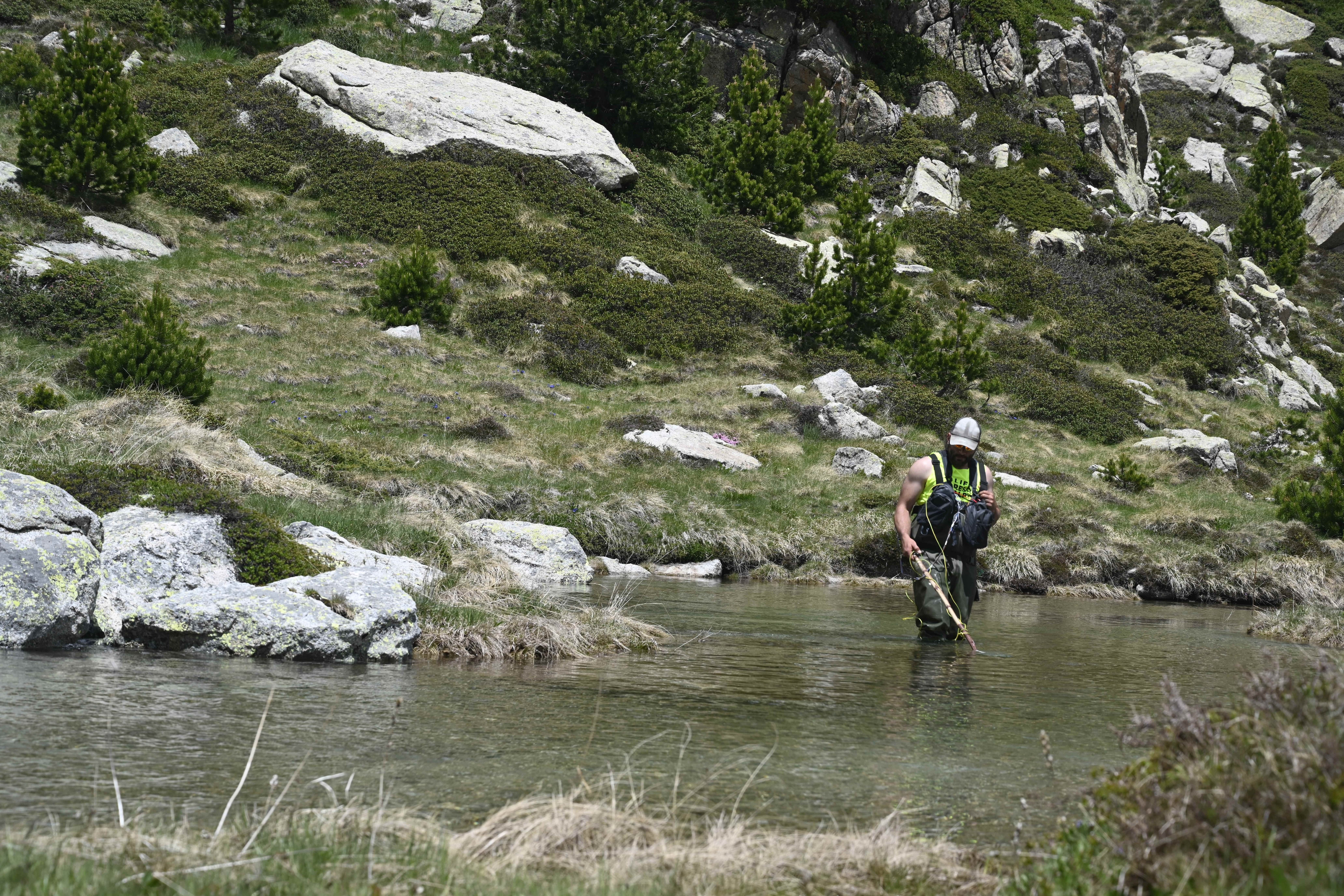
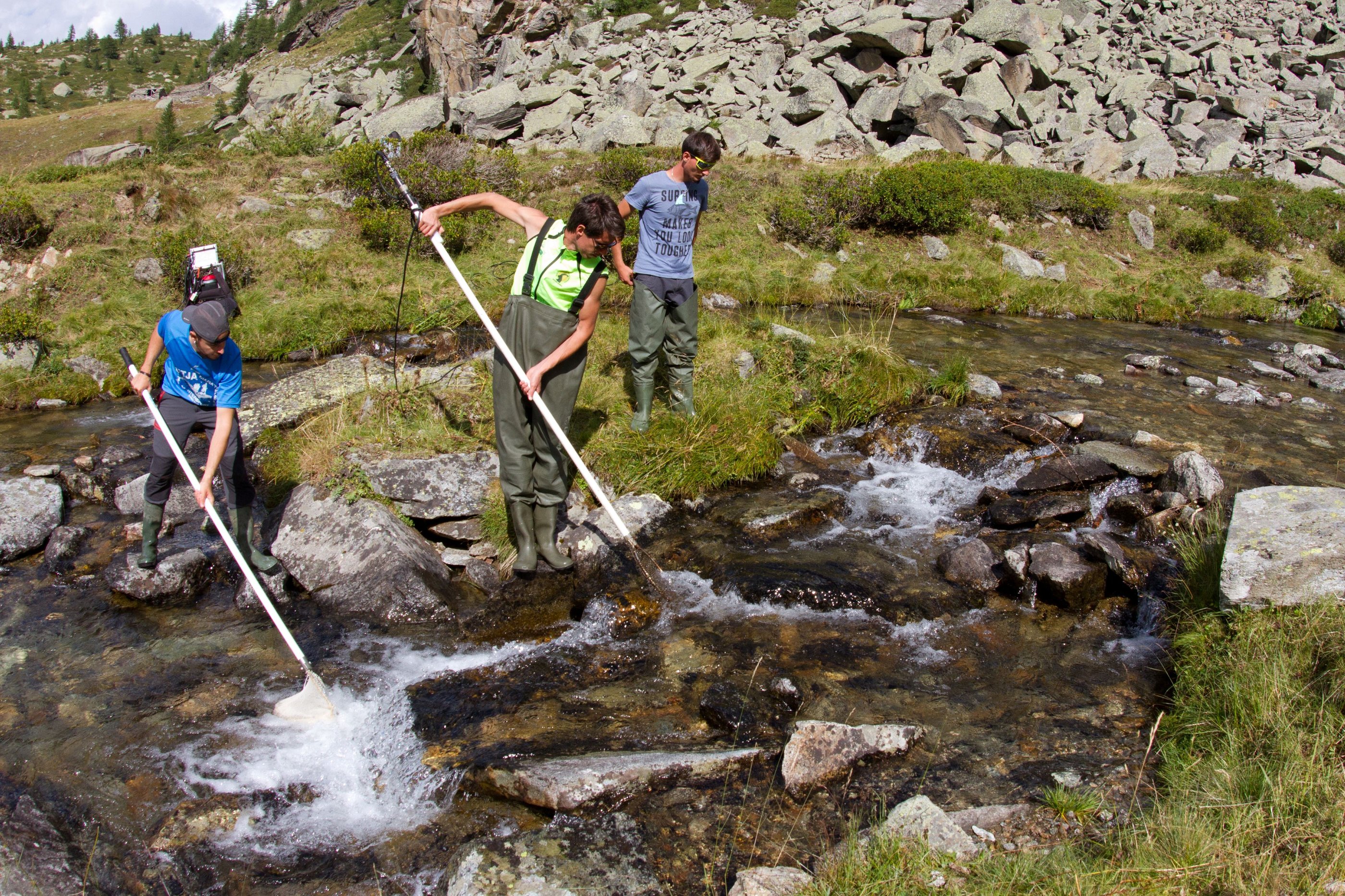
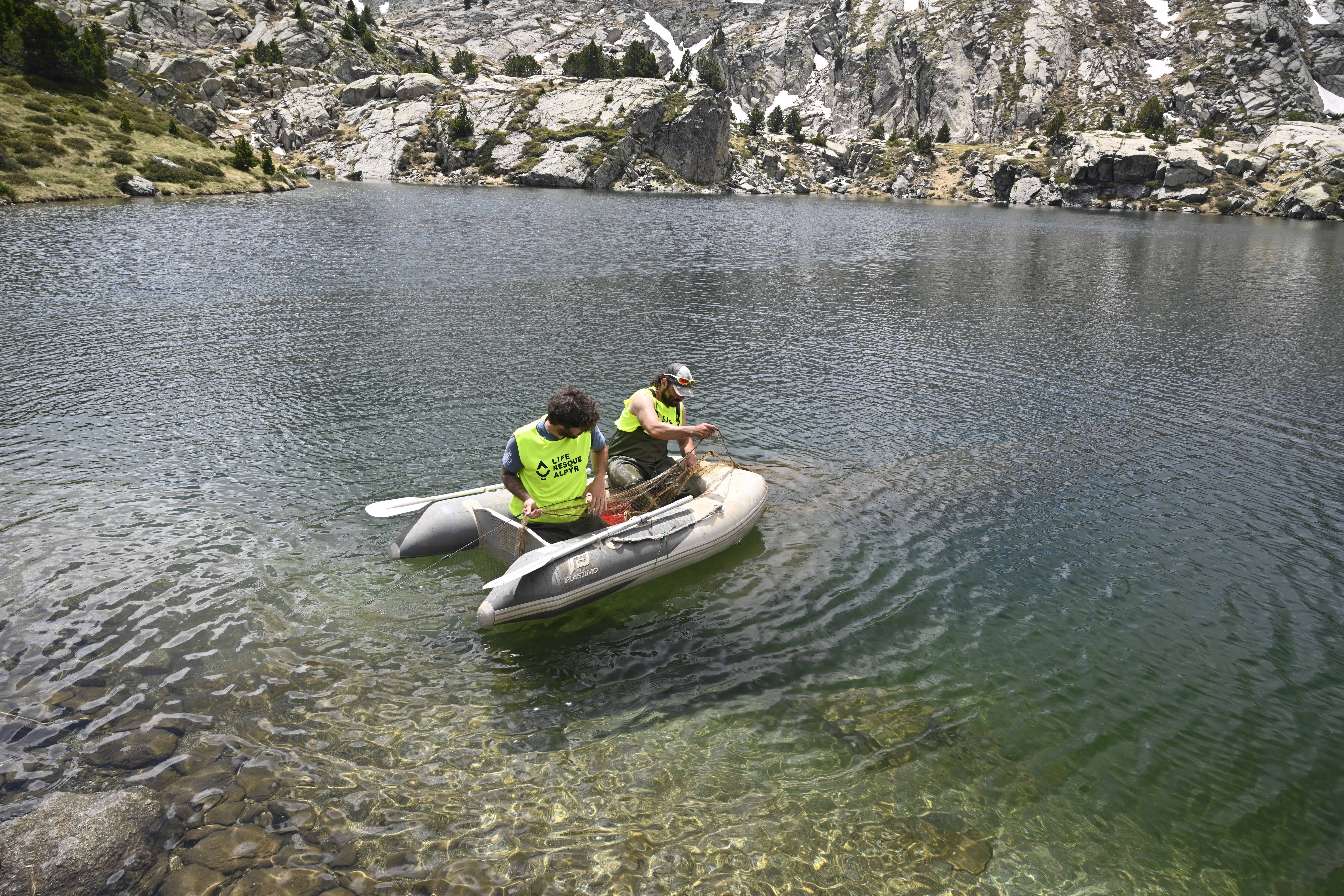

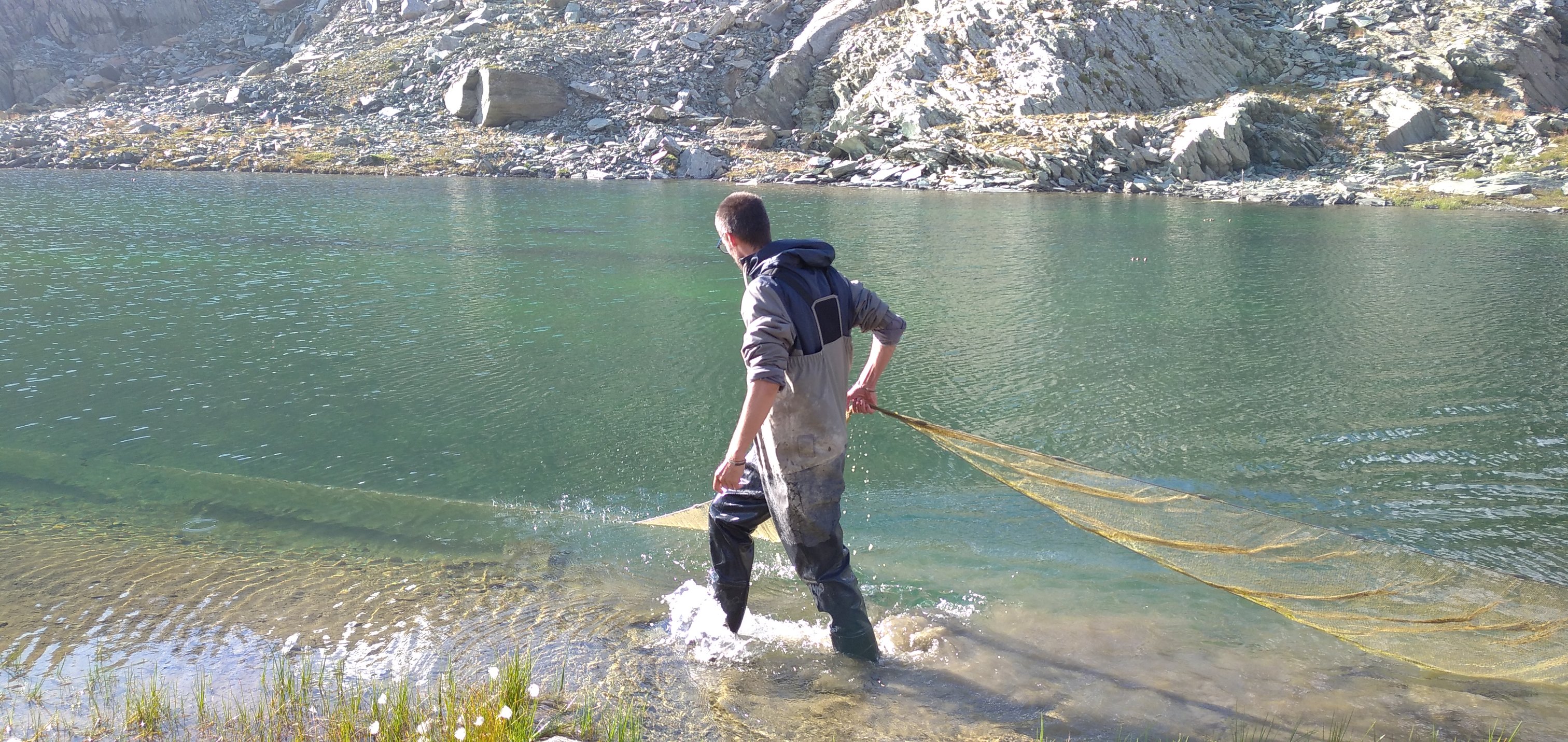

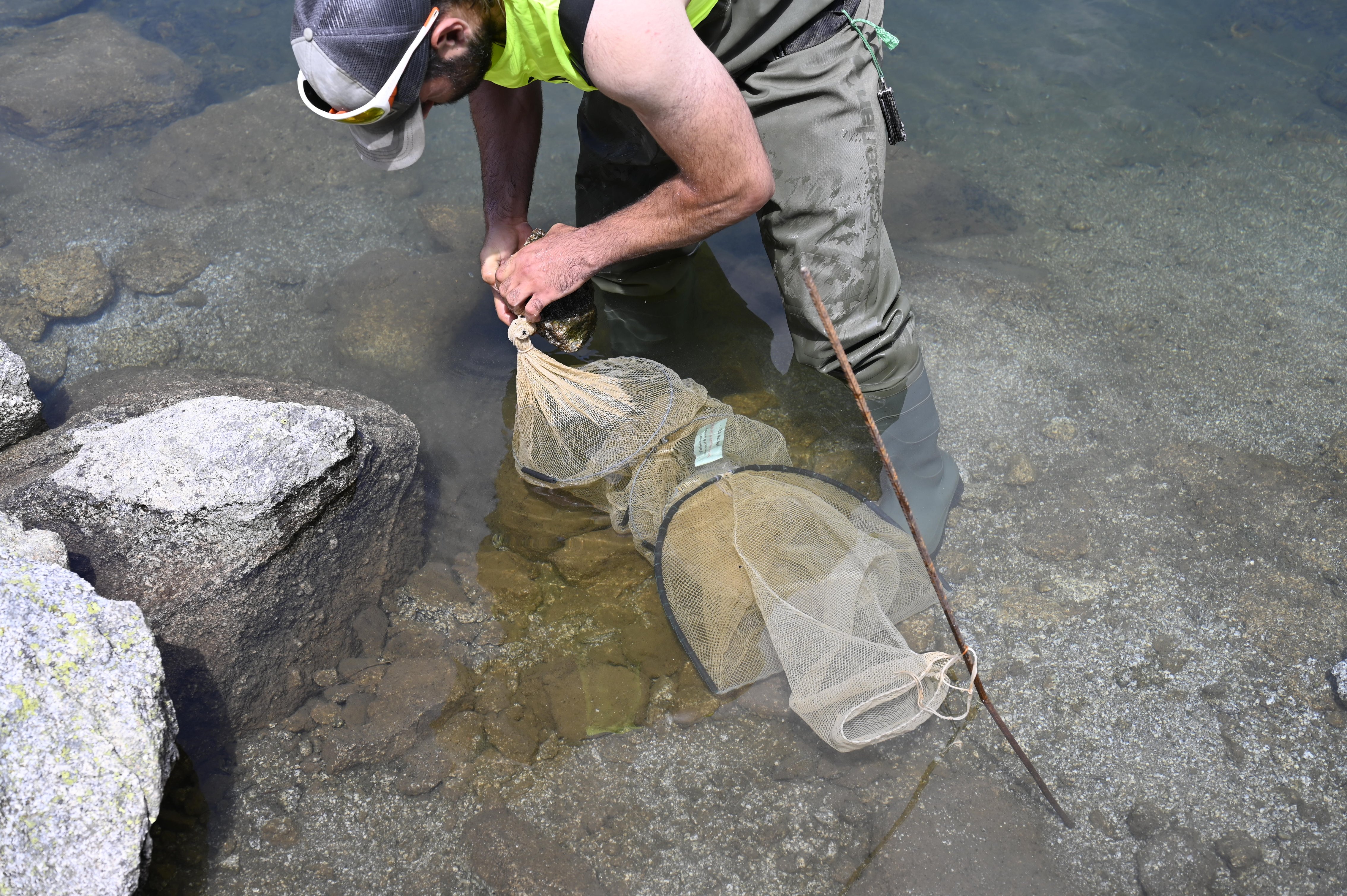
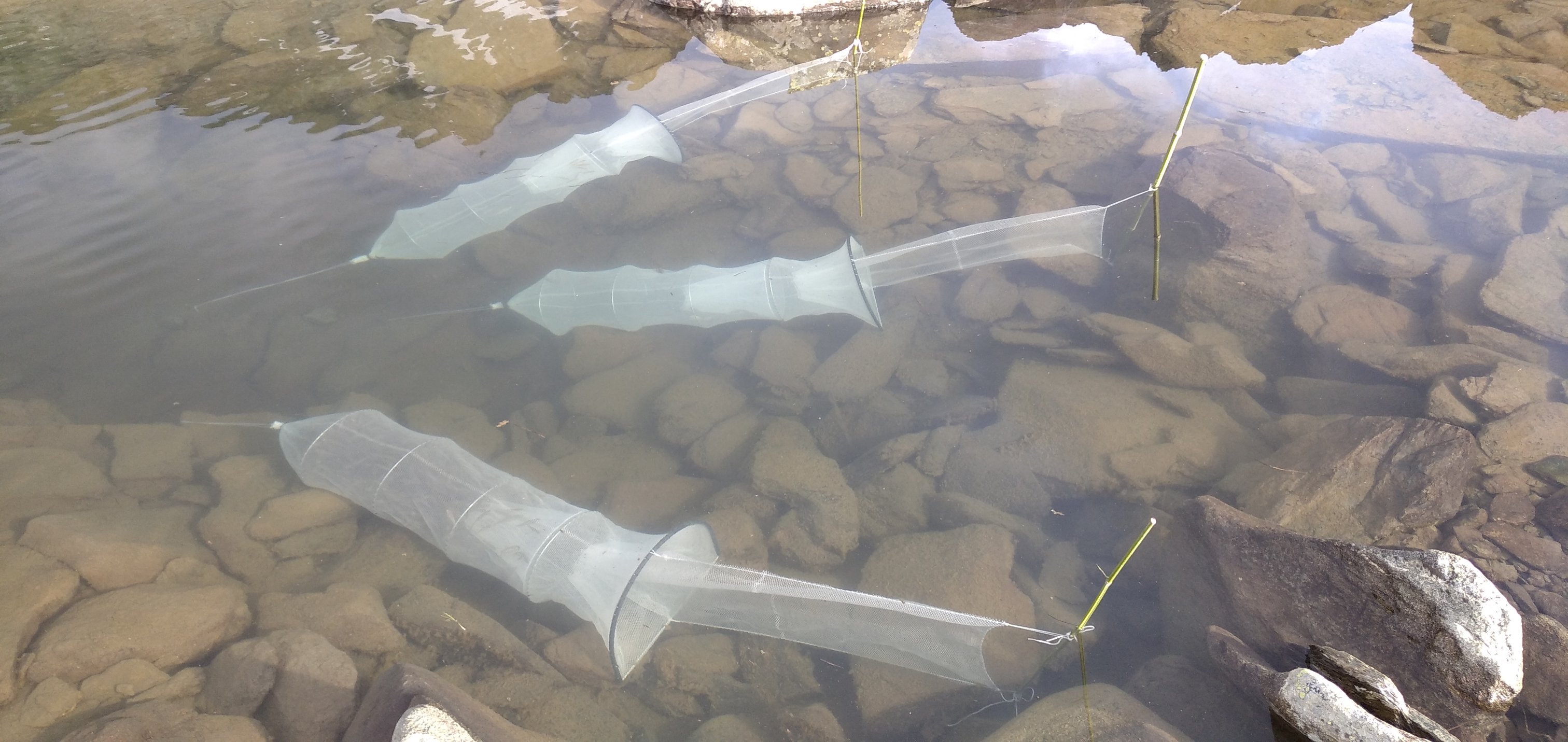

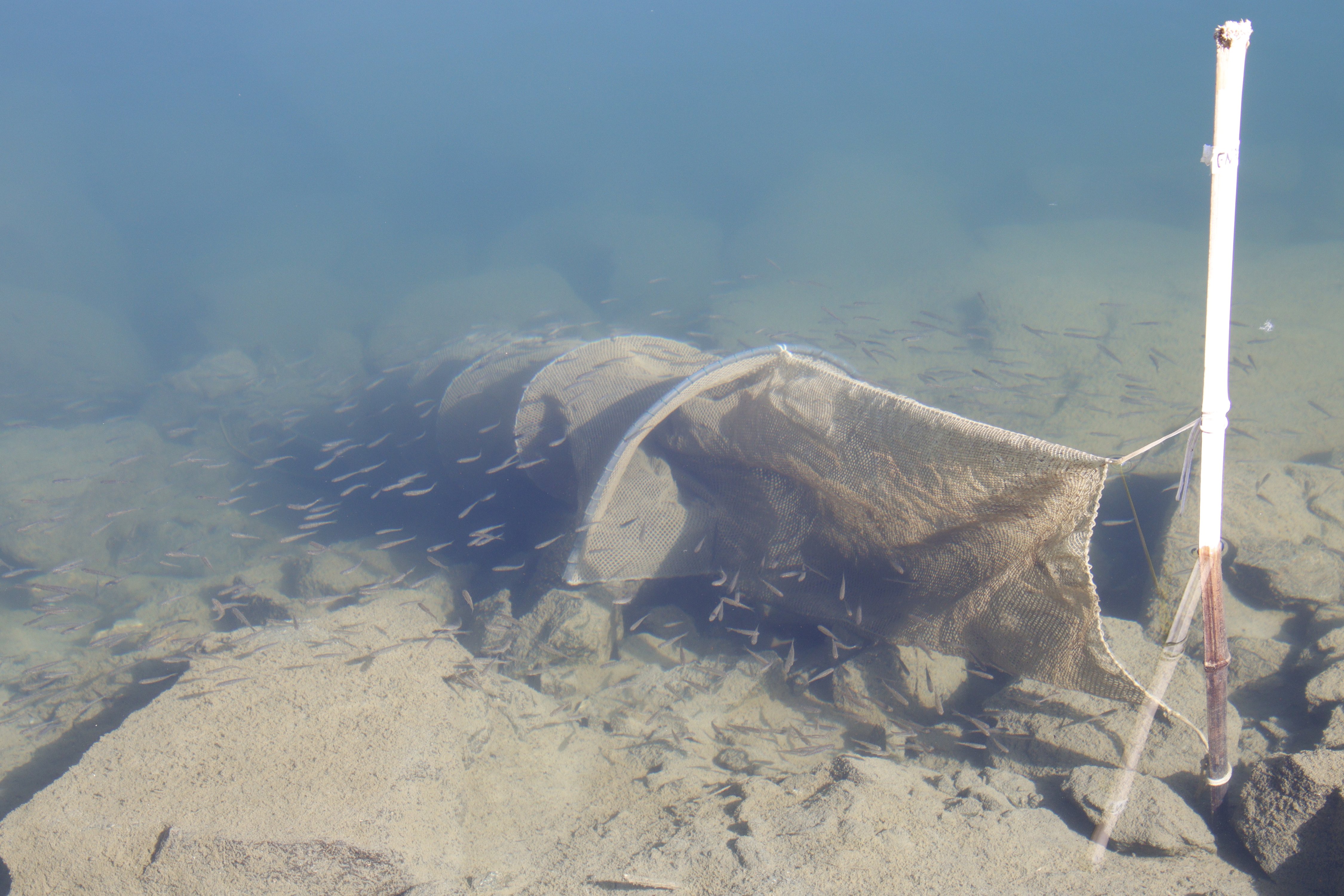
- Chemical approach: fishes are killed using chemical products such as rotenone or antimycin for example.
Pros: high-efficiency in eradicating the target fishes
Cons: the products often affect other native species that should not be
Note: The use of so-called piscicides is prohibited in certain countries or regions such as the European Union and very strictly regulated elsewhere such as in the United States of America - Biological approach: fishes are eaten by specifically introduced predators, or crossed with genetically-manipulated individuals to render them incapable of reproduction
Pros: it is a biological approach that does not use equipment or specific chemical products
Cons: introducing predators can represent a risk and requires a careful choice of species. Genetic manipulations are often not necessarily well-accepted by the public.
To manage or not to manage?
Although there are many undesirable consequences to fish introductions in mountain lakes, the decision to intervene is not always straightforward. Besides the (few) cases where management bears unwanted ecological consequences (see above), management might simply be too costly or too difficult technically or it might lack societal support through authorities or actors such as tourists, locals, or fishing associations.