Background
Why are there fishes in mountain lakes?
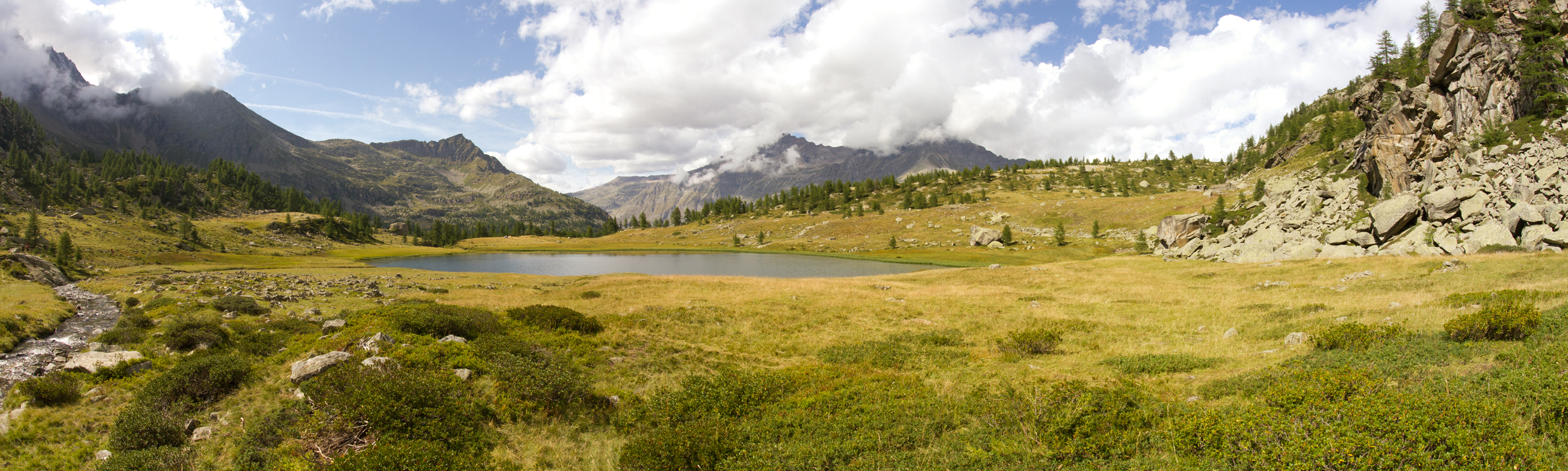
In nature, species occur in given places naturally, in which case they are called "native", or because they have been introduced, in which case they are "non-native" or "alien". Non-native species that (are likely to) cause harm to their new environment and their native species, the economy or human health are called "invasive". Over recent years, the number of invasive species has increased rapidly.
Fish represent one of the most widely introduced taxonomic groups. The history of fish introductions to lakes dates back thousands of years in China and Europe, but introduction rates have substantially increased since the 18th century industrial revolution and after an additional boost in the mid 20the century. In recent times, introduction rates have increased sharply, primarily as a consequence of aquaculture, trade, infrastructure development, stocking for leisure fishing, releases of bait fish, occasional introductions for biological control, and accidental releases.
Despite the remoteness of mountains and the general belief that they are minimally influenced by human activity, the intentional introduction of game fish such as Lake, Sea, Rainbow, or Brook trout and of their live-baits (e.g. minnows) to mountain lakes dates as far back as the middle age in the Pyrenees and the 15th century in the European Alps. Nowadays, in western North America, for instance, more than 95% of larger (>2ha surface area), deeper (>3m maximum depth), high-elevation lakes contain non-native trout. In the Pyrenees, fish occur in up to 90% of the lakes. Lake stocking for leisure fishing is one of the major reasons for intentional fish introductions to mountain lakes.
Why does it matter?
Ecological aspects
Mountain lakes are fragile and ecologically extremely valuable ecosystems. They are home to many species, some of which are very rare (the endemic Pyrenean brook newt Calotriton asper and the Pyrenean frog Rana pyrenaica, for instance live only in aquatic ecosystems of the Pyrenees) and very special (some mountain frogs of the genus Telmatobius in the Andes have enlarged skin surface to get more of the little oxygen available at in high altitude lakes). Alpine and subalpine mountain lakes, which are naturally fishless, are also typical places of recreation for visitors.
Native species
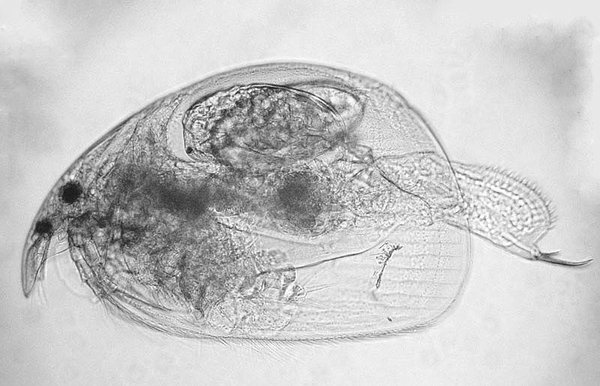
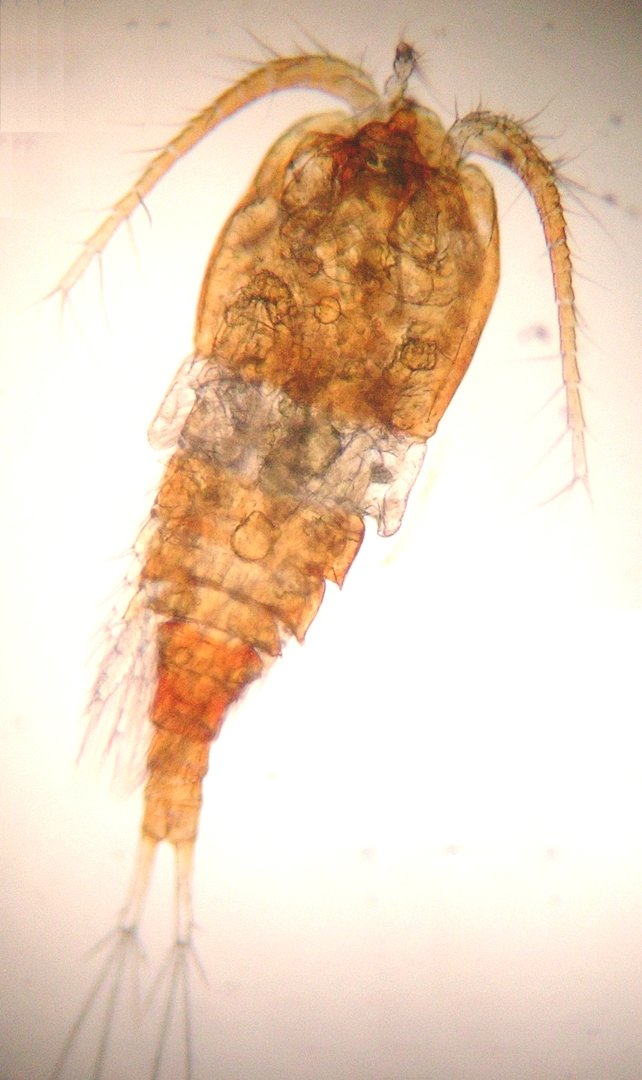
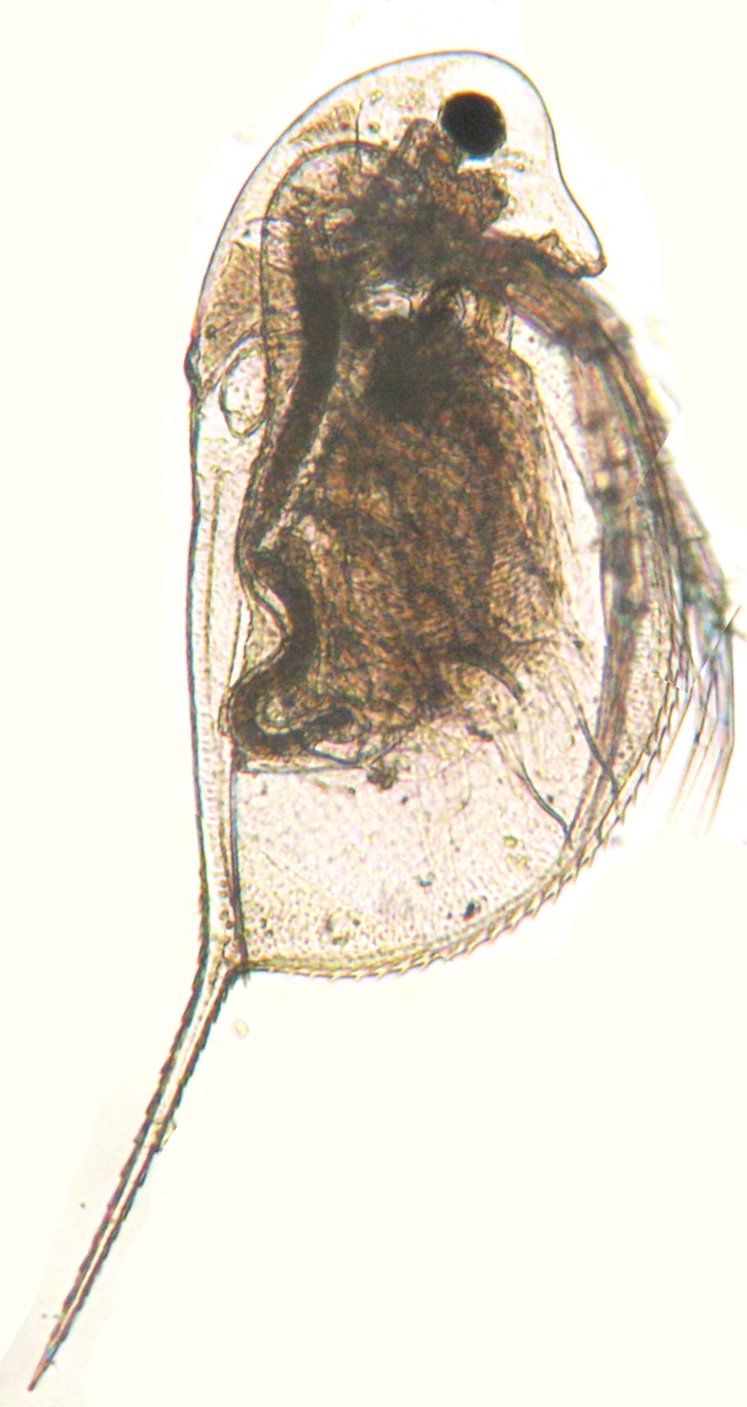
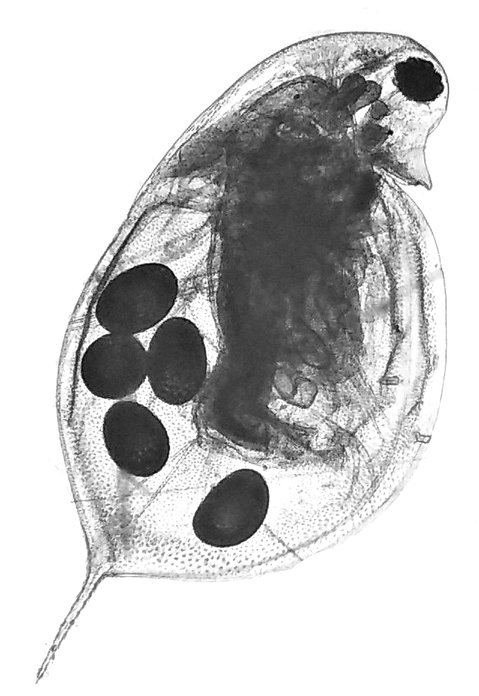
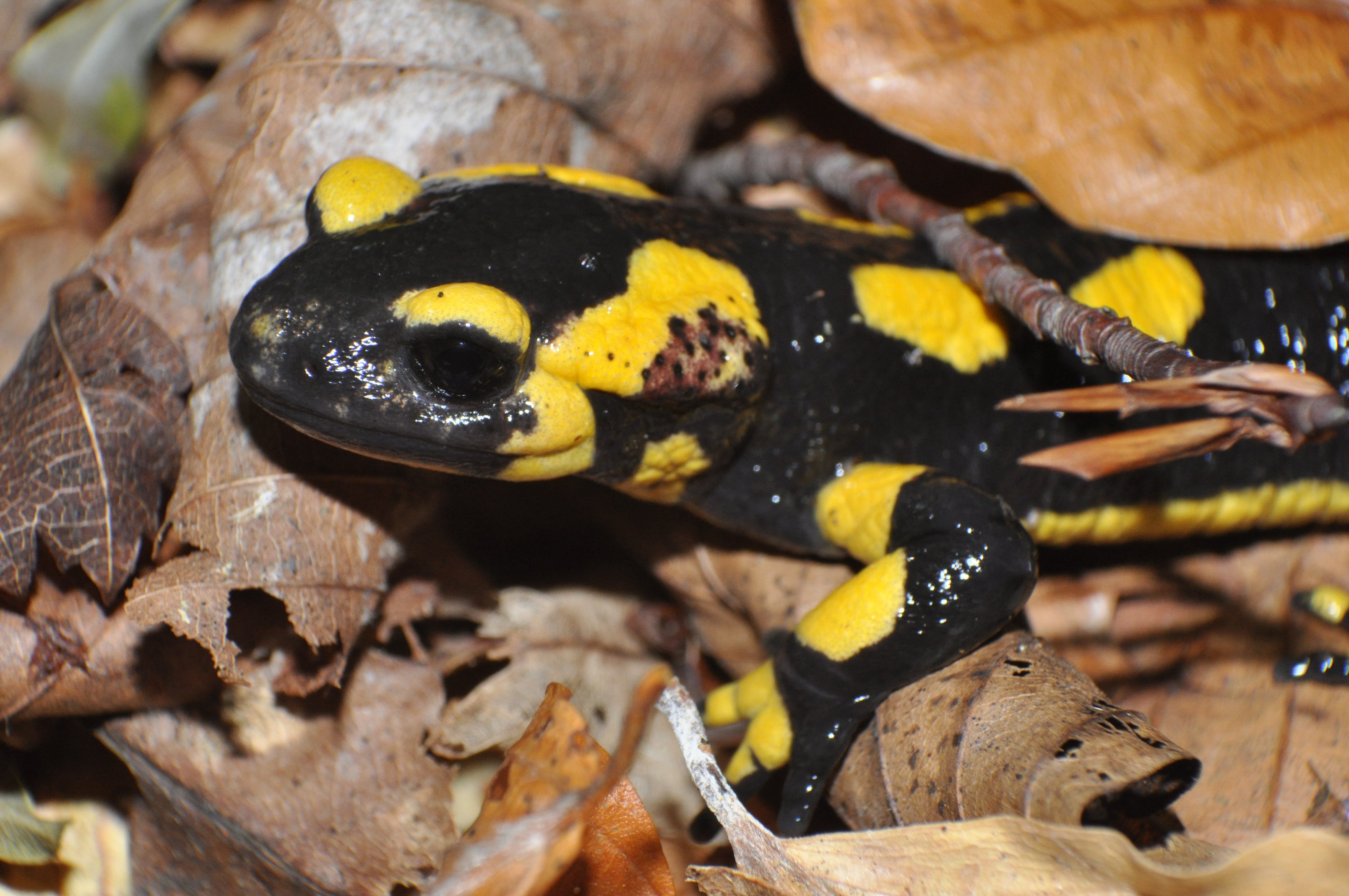
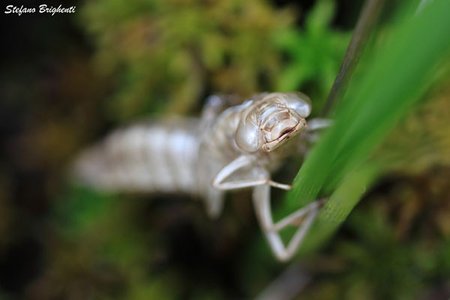
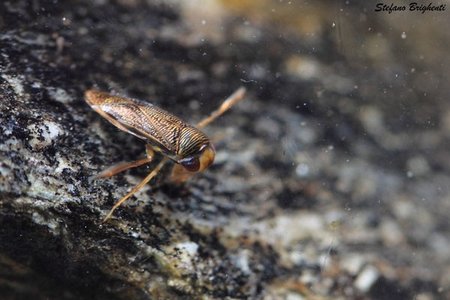
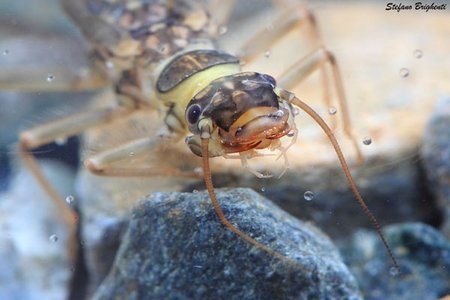
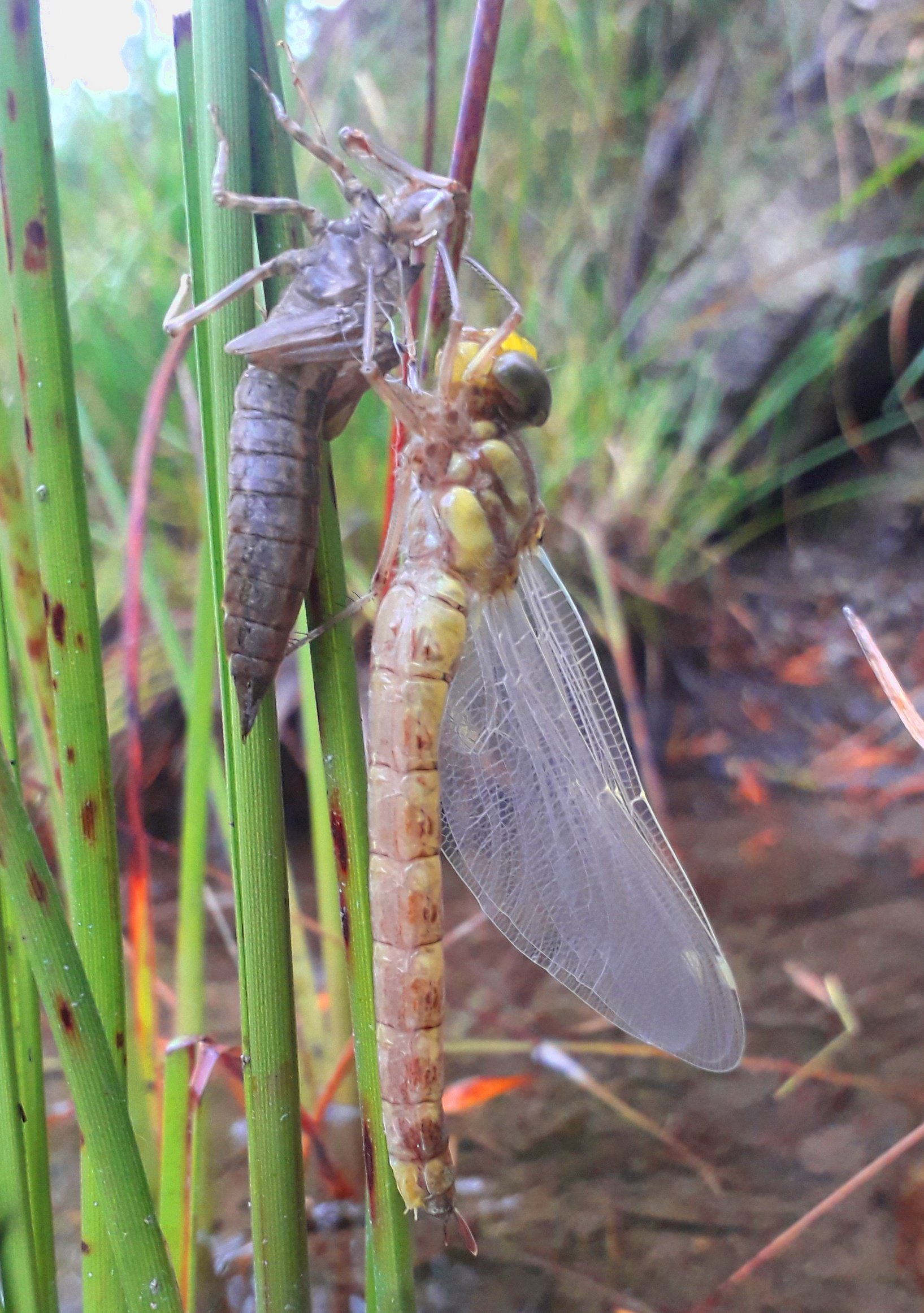
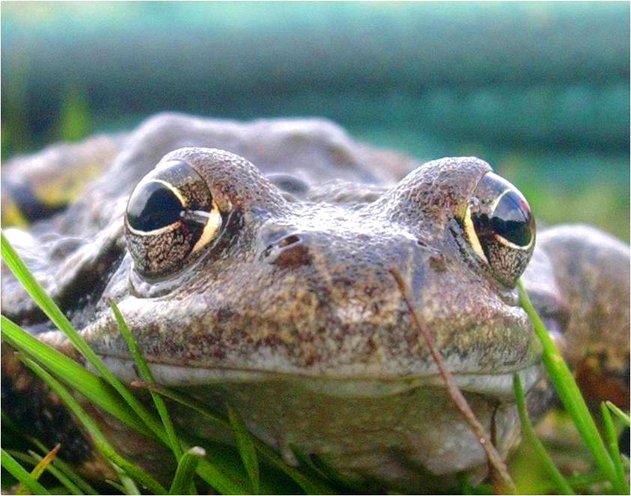
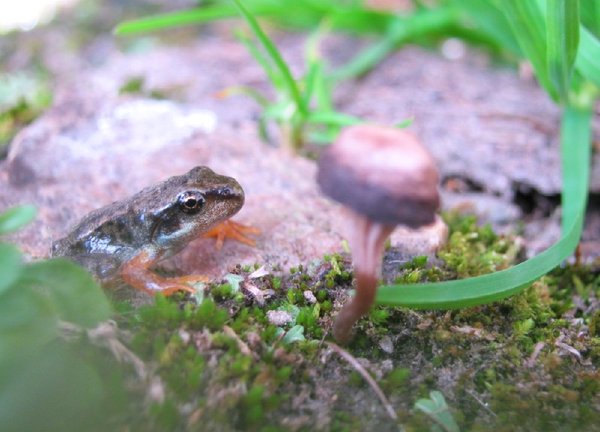
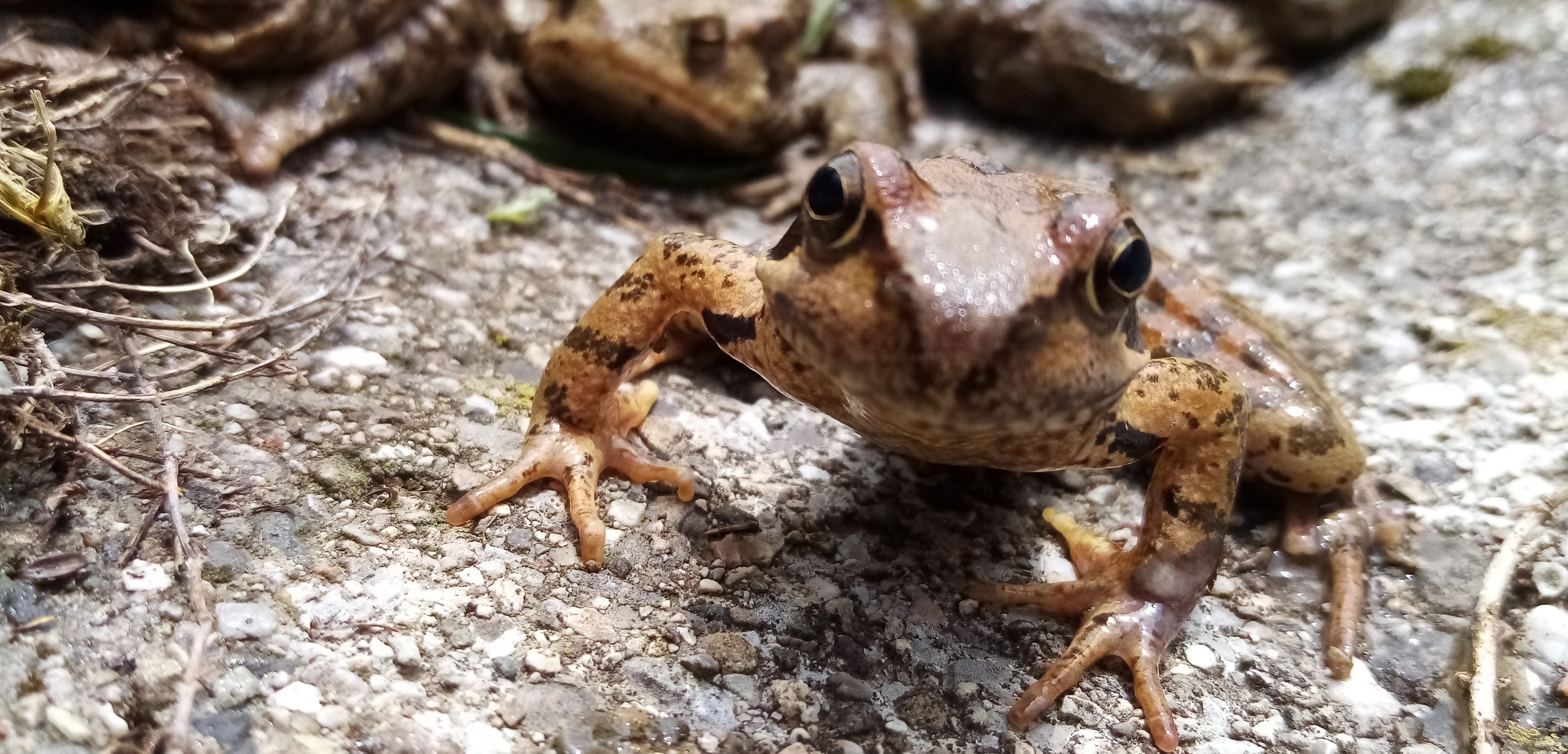
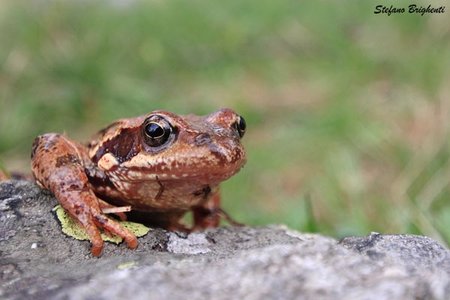
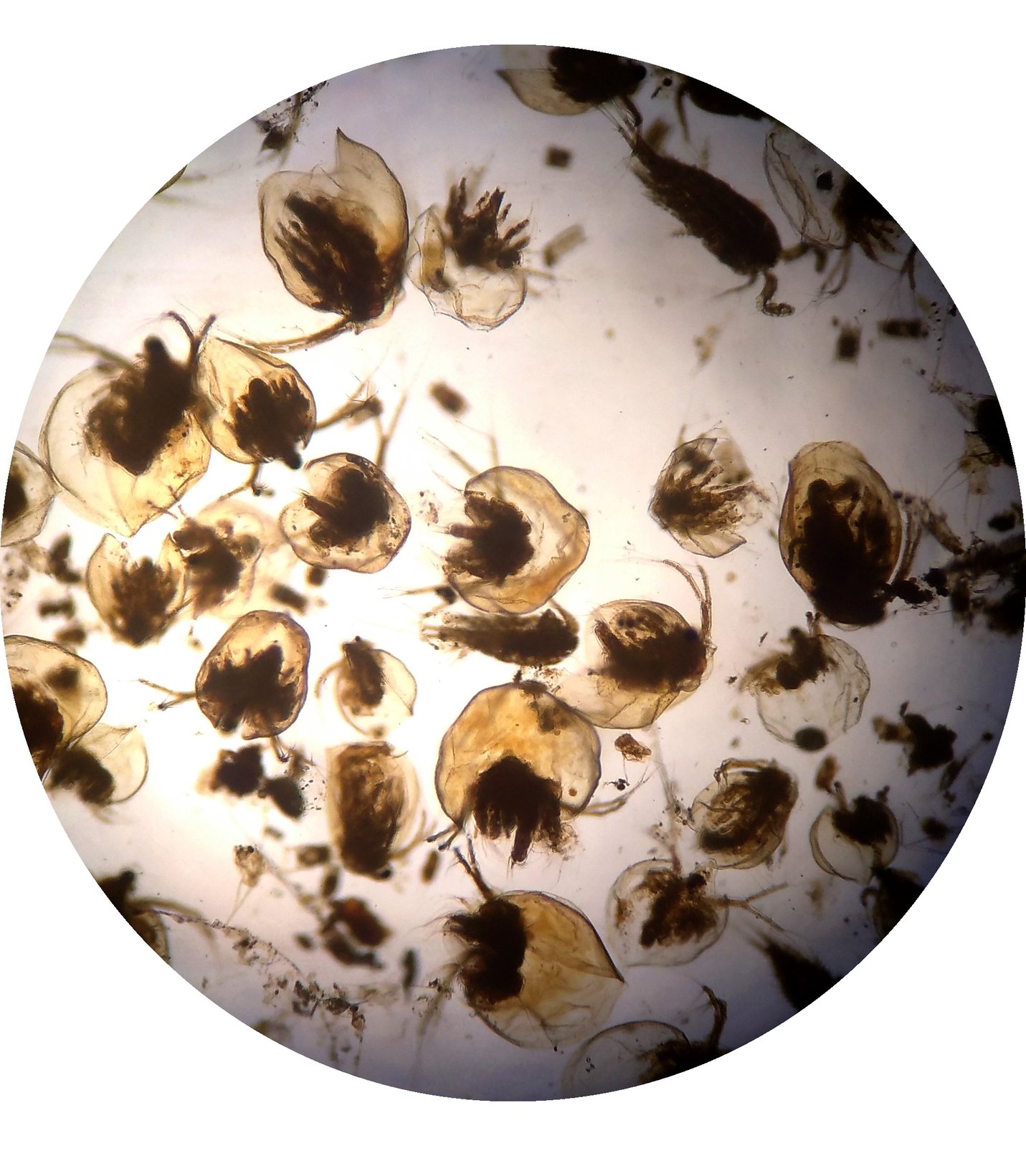
The introduction of fish therefore presents several risks:
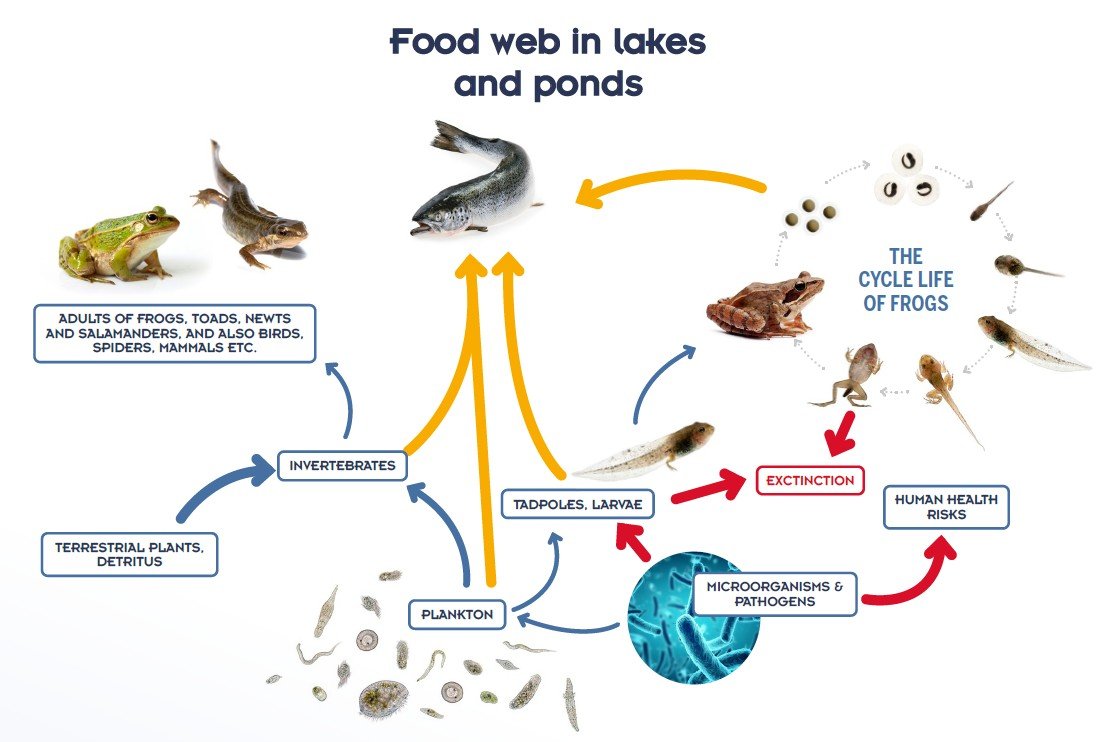
- modification of the food-web structure: mountain lakes are rich in species that eat each other. For example, certain frogs feed on adult insects, newts feed on insect larvae as well as crustaceans, and crustaceans feed on algae. Introduced fish behave usually like "top predators" and feed on any of these native species, everything changes. The introduction of Brook trout for instance can change the assemblages of insect larvae and what zooplankton (including crustaceans) occur due to the selective predation of the more visible
Find out more about what species live in mountain lakes and who eats who from the LIMNOPIRINEUS project website - decline in native species of amphibians, invertebrates, and zooplankton: introduced fish prey on aquatic insects (so-called macroinvertebrates), zooplankton (including crustaceans) and even amphibians like frogs and newts (particularly their eggs and larvae)
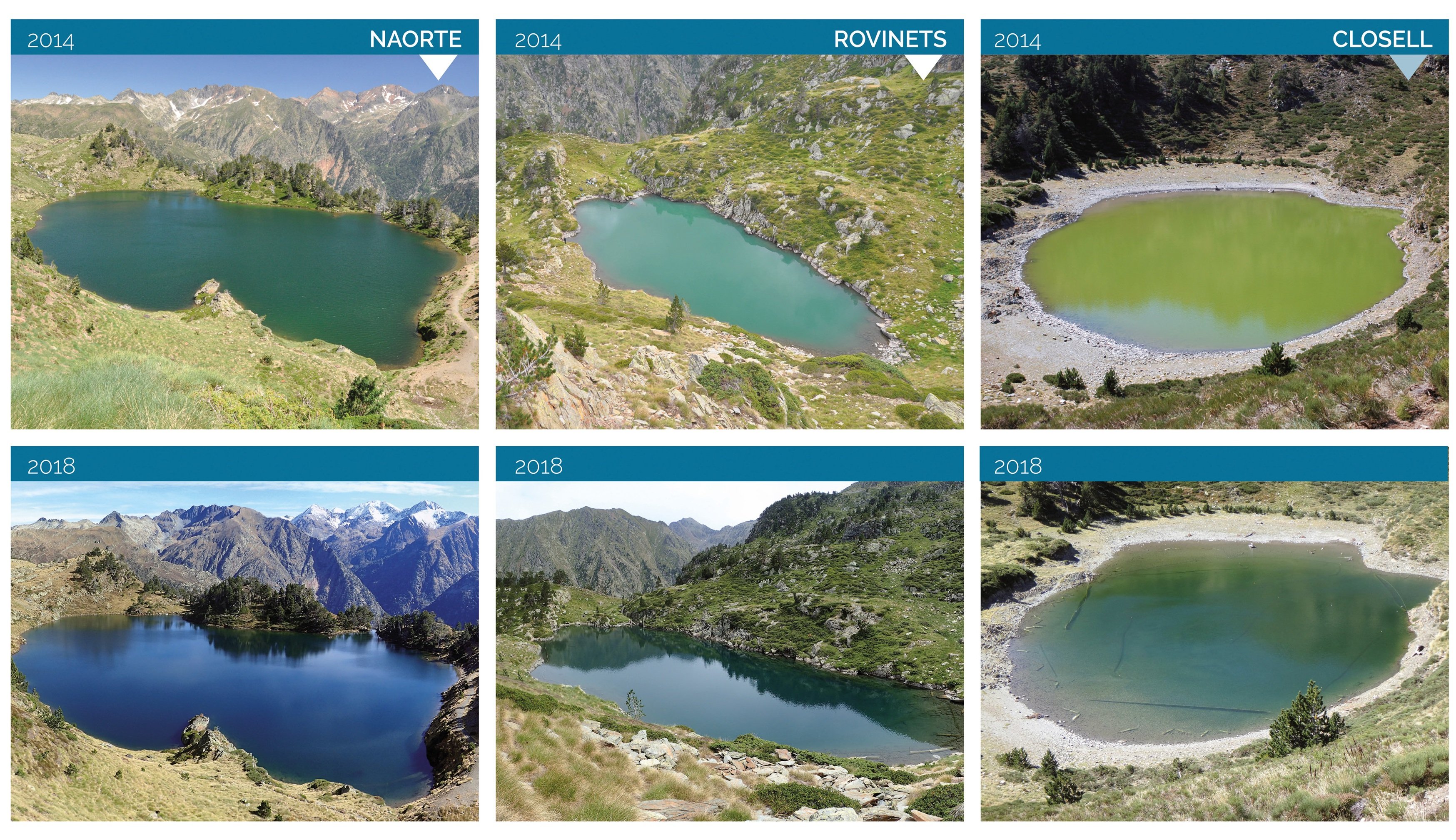
- change in the visual appearance of the lake: the occurrence of introduced fish, for instance minnows, can cause the water to become less transparent. This is likely the result of changes in the density of certain species that filtrate algae and are therefore important for water quality and transparency
Find out more about changes in lake transparency from the LIMNOPIRINEUS project
- introduction of pollutants: fish introduced into mountain ecosystems are typically reared in fish hatcheries, where the food that the fish get, the water used, and the equipment might contain pollutants that the hatchery fish take up. These pollutants include heavy metals (e.g., mercury), pesticides, and pharmaceuticals (e.g. antibiotics or hormones). When hatchery fish die or produce excretions in mountain lakes, these pollutants can end up in the water. This potentially impacts native species, for instance by affecting their reproductive or physiological functions. It can also impact ecosystems by changing the water quality. Alternatively, if these fish are eaten by other animals or humans, the pollutants that have accumulated in their tissues (through so-called bioaccumulation and biomagnification) can get transferred to those consuming them and cause health issues.
Find out more about fish introductions and pollutants in mountain lakes - decline in native fish species: mountain lakes are usually fishless. However certain lakes, typically at lower elevation, contain fish populations. If the introduced and the native fish compete for the habitat or for the same food, or if the introduced fish feeds on the eggs of the native one for example, the native species will decline.
It is important to know and evaluate the ecological impacts resulting from an introduction. The impacts are likely different between lakes or reservoirs that are man-made and natural lakes.
More information is available in the form of videos listed under resources.
Societal and economic aspects
There are also a number of societal and economic aspects to the introduction of fishes in mountain lakes.
- Introduced fish can contain pollutants because of their hatchery origin (see section above) and because they can accumulate atmospherically-deposited toxins. Accordingly, eating those fish, even if they are caught in seemingly pristine environments, can represent a health risk.
- The benefits of fish introductions can be emotional (people might find the view of a large fish in a clear mountain lake beautiful) and/or financial
- The benefits of fish introductions are often restricted to certain groups of people such as fish farmers, anglers, and hobbyists
- The costs associated with the ecological impacts of fish introductions are supported by the society as a whole, over generations. Accordingly, an important question to address in the context fish introductions is that of equity: who gets the (short-term)benefits and who wears the (long-term) costs?